James Murdoch’s Billion-Dollar Reinvention.

A deal that could reshape american media.
Expert sources in the field have reported that James Murdoch is in advanced talks to purchase the New York Magazine and the podcast division from Vox Media; both parties have declined to comment so far.
The Heir to the murdoch legacy.
James Murdoch is the youngest son of Rupert Murdoch, the billionaire media tycoon founder and owner of News Corp., after a long battle with the latter, he and his siblings except Lachlan received a settlement of $3.3 billion in exchange for them selling their ownership interests in the company.
After receiving $2bn from Disney’s acquisition of the majority of 21st Century Fox he founded Lupa Systems, a private investment company with a more liberal leaning heading compared to the notoriously conservative empire built by his father.
The acquisition of the New York Magazine and Vox Media’s podcast division is set to be his most prominent media investment so far, however the private nature of the fund makes it harder to ballpark the actual level of commitment and the amount he is willing to invest in the deal. It has however been reported that the money from the settlement will be reinvested in the negotiation.

James Murdoch - British-American media executive and investor
The New York Magazine and the podcast division are among the most important for Vox: the first was bought for $105 million in 2019 and has generated an estimated $100 million in revenue last year (FT) while the second generated $60 million.Hence, they are not underperforming divisions nor divisions in need for a restructuring, on the contrary they are highly profitable and respected.
Clearly then the decision to sell would signify an intent by Vox to reshape itself, while at the same time signaling strong interest from outside investors, leading to a probably inflated selling price. Therefore, why is Murdoch reportedly so eager to acquire them?
As already pointed out, Lupa is sitting on uninvested capital, and this represents an opportunity to purchase established brands and to expand the business.Furthermore, as stated before, the assets do not require restructuring and are on the contrary, already profitable.
Other reasons can be identified by looking at his family’s past business actions. His father previously expanded through aggressive acquisitions and international growth strategies, traits that appear compatible with a possible future strategy for Lupa, considering other previous acquisitions such as Art Basel.
The Birth of a liberal counterweight.
This acquisition could be fundamental in shaping the future positioning of the media business: for decades the Murdoch family and their holding has been the staple of conservatism, therefore becoming key political players for Republicans and conservatives around the world.
If the acquisition goes through, considering the more liberal approach so far shown by James Murdoch, Lupa Systems and its subsidiaries might become the direct adversary of FOX.
That would add another layer to the scope of the acquisition: as it could help secure revenues and deals from future collaborations with left-leaining organizations, thereby creating more prospects of future revenues.
Finally, some insiders have noted how in the past few years the company has expanded Art Basel to an international art gallery, and this has been seen as indicative of an intent to synchronize the latter with the possible future acquisitions in order to maximize growth potential and profitability.
The Business Model Behind Media Power.
In order to understand the operational method of J. Murdoch we need to analyze the background he comes from.
His father Rupert started by purchasing smaller newspapers in Australia and then moved to the UK and US, what he did differently from others was the way he expanded: instead of consolidating in an area he reshaped and expanded his empire.
Normally a news company tries to be as impartial as possible to appeal to the widest audience possible, this lowers brand loyalty but increases possible market shares, heavily investing in deals and collaborations to promote their products.
Rupert Murdoch operated in the opposite way: a known conservative he did not shy away from taking a stance, ignoring the impartiality facade and embracing completely a section of the electorate as his customer base.
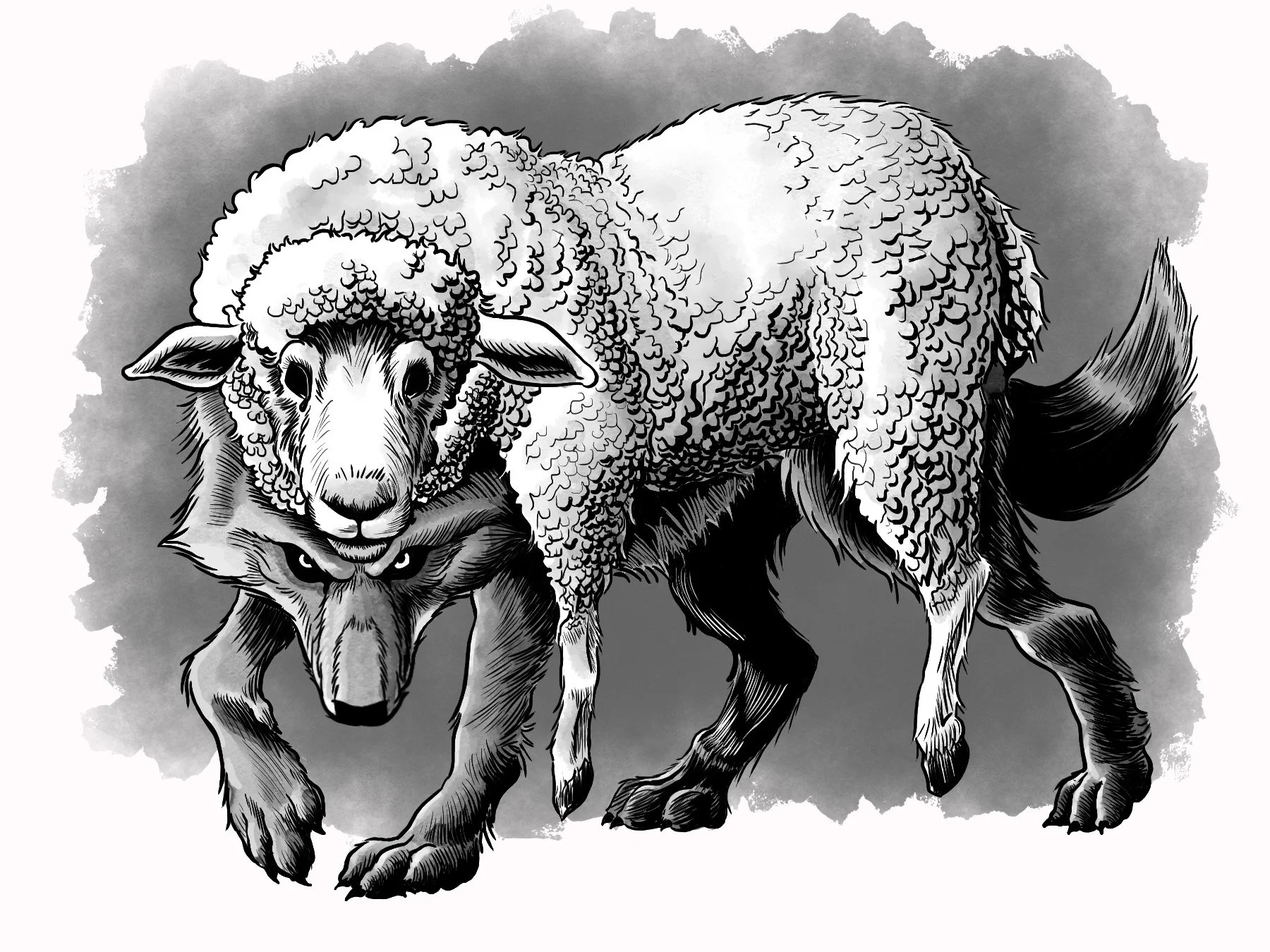
This has restricted his market share, but it has also consolidated his supremacy in it, the result is purely ideological but it transcends into financial hegemony.
For instance, the reach he created amongst conservative audiences made it easy to gain favor with political parties without the need of heavy lobbying, at the same time coverage of sports such as football is effective even without heavy ad campaigns as the listeners' pools overlap, this has another financial implication, when political events align the stock price soars, as it can be seen after Trump’s elections,
This is key to understanding how J. Murdoch might operate. Although he has different political views from his father, this deal and the willingness to use his own funds prove that, just like his father, financial gain alone is unlikely to be the sole objective. His current acquisitions strategy mirrors his father’s, and he wouldn't have settled a succession battle just to lose the opportunity to inherit his family’s empire, unless he planned to create one of his own.
Giovanni Epifano
Partner, Financial Analyst, Political Analysis Specialist.
The Financier Review
© 2026 The Financier Review. All rights reserved.